
In this article:
- Real 2026 price ranges by gutter guard type
- What drives your total cost up or down
- Which guard types are worth the upcharge in NJ's tree cover and storm conditions
- A cost-per-linear-foot comparison table
- Whether DIY gutter guards are actually worth the savings
- How gutter guards fit into a broader NJ home maintenance plan
Gutter guard installation in New Jersey typically costs $650 to $2,000 for an average home, or roughly $6 to $13 per linear foot, including materials and labor, according to Angi's 2026 gutter guard cost data. Premium micro-mesh systems run higher. Here's what actually changes that number for an NJ home.
Gutter Guard Cost by Type
Key takeaway: Plastic snap-in guards cost as little as $80 to $200 installed, while premium micro-mesh systems can run $13 to $22 per linear foot, and the right choice depends on your tree cover, not just your budget.
Not all gutter guards are built the same, and the price gap between the cheapest and most durable options is significant.
| Guard Type | Cost Per Linear Foot | Best For |
|---|---|---|
| Plastic/foam inserts | $0.40–$1 | Light debris, budget-conscious homes |
| Metal mesh screens | $1–$4 | Moderate leaf cover |
| Vinyl grids | $1–$4 | Light-to-moderate debris |
| Full surface tension (reverse-curve) | $4–$8 | Heavy rain areas, higher-end homes |
| Micro-mesh | $9 per foot average | Pine needles, small debris, dense tree cover |
| Premium branded systems (lifetime warranty) | $13–$22 | Homes wanting a hands-off, long-term solution |
Source: Angi, 2026 gutter guard cost data
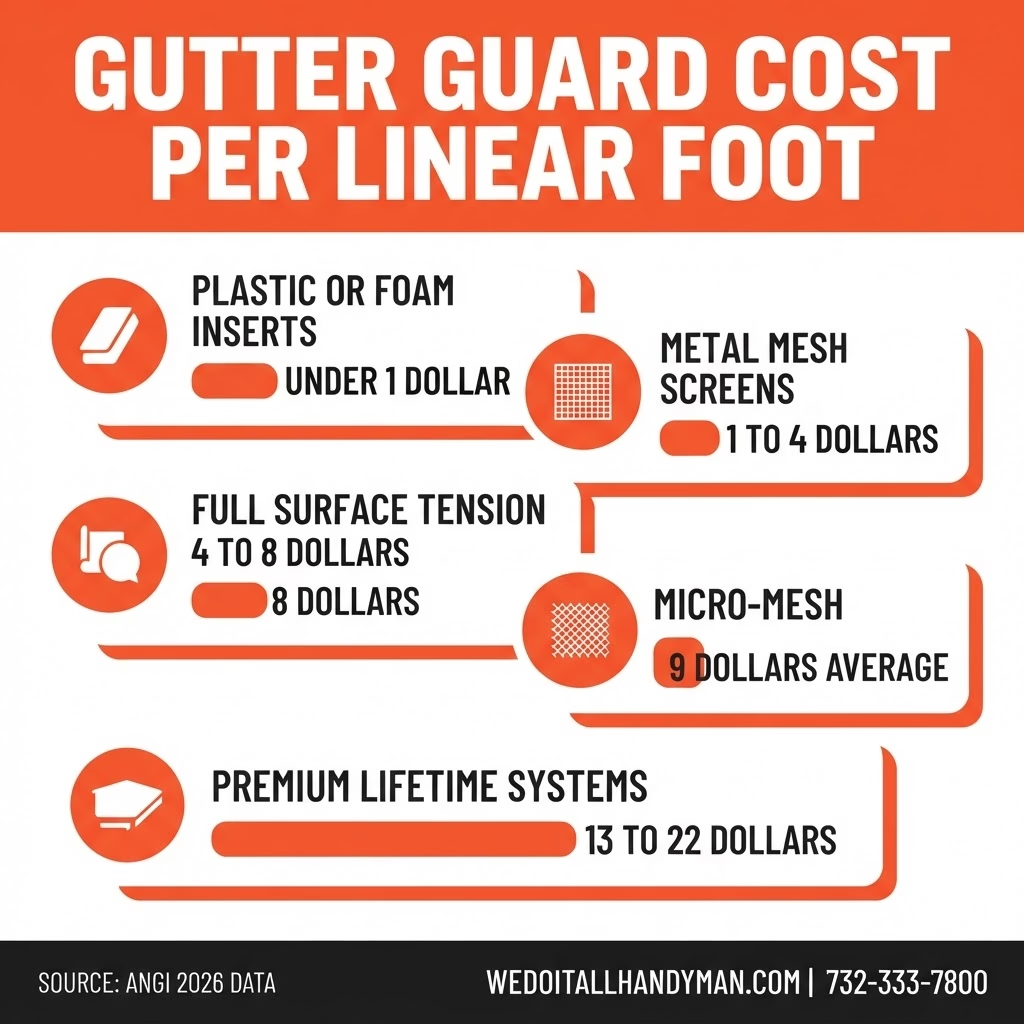
For a typical 150 to 200-foot NJ home, that means anywhere from roughly $150 for basic plastic inserts up to $3,000+ for a premium micro-mesh system with a lifetime warranty.
What Actually Drives the Price
Key takeaway: Home height, roof pitch, and existing gutter condition affect labor cost as much as the guard material itself.
A few things push the estimate up beyond the base per-foot price. Roof height matters, since two-story and three-story homes need more scaffolding or ladder work, which adds labor time. Roof pitch does too. Steeper roofs slow installation and raise the safety requirements for the crew doing the work.
The existing gutter condition is the other big factor. If your current gutters are sagging, rusted, or pulling away from the fascia, guards go on top of the problem instead of solving it. In that case, gutter repair or replacement usually needs to happen first, which our roofing team can assess during the same visit as a guard installation quote.
Why This Matters More in NJ Than You'd Think
Key takeaway: Ocean Township and Monmouth County's mature tree canopy plus coastal storm intensity make clogged gutters a faster, more expensive problem than in drier inland regions.
Ocean Township and the surrounding Monmouth County towns have a lot of mature oak and maple canopy, which means heavier leaf drop in fall and a steady stream of small debris the rest of the year. Combine that with the coast's tendency toward heavy, wind-driven rain, and clogged gutters here back up faster than they would in a drier inland climate.
We've covered what happens when clogged gutters go unaddressed through a NJ winter in our post on how clogged gutters cause winter damage in Ocean Township. Gutter guards are the preventive step that keeps you from getting there in the first place.
Are Gutter Guards Actually Worth It?
Key takeaway: Gutter guards reduce cleaning frequency significantly but don't eliminate maintenance entirely, and the payback period depends on how much you currently pay for gutter cleaning.
Gutter guards cut down on how often you need to clean gutters, but they don't eliminate maintenance completely. Fine grit, seed pods, and shingle debris still get through most guard types over time, and even the best systems need an occasional rinse or inspection, usually once or twice a year instead of every few months.
If you're currently paying for gutter cleaning multiple times a year, guards often pay for themselves within a few years, especially with premium mesh systems that block nearly everything except water. If your home has minimal tree cover, a basic screen guard might be all you need, and the higher-end systems may not be worth the premium.
DIY vs. Professional Installation
Key takeaway: DIY gutter guard kits save on labor but the most common issue we see is guards installed at the wrong pitch angle, which causes water to overshoot the gutter entirely during heavy rain.
Plastic and foam insert guards are DIY-friendly for a single-story home with easy roof access. The savings are real since labor typically makes up a large share of the installed cost.
Where DIY runs into trouble is pitch and fastening. Guards installed flat or at the wrong angle let water sheet right over the gutter during a heavy downpour instead of draining into it, which defeats the purpose. Two-story homes, steep roofs, or micro-mesh systems that require precise fastening are worth handing to a pro. If a gutter project turns into a bigger conversation about your roofline or drainage, our sump pump services post covers what to do when water problems move from the roof to the basement.
Frequently Asked Questions
1. How much do gutter guards cost for an average NJ home?
Most homes spend $650 to $2,000 total, or about $6 to $13 per linear foot, including installation, according to Angi's 2026 data. Premium micro-mesh systems with lifetime warranties can run $13 to $22 per foot.
2. Do gutter guards really stop the need for cleaning?
Not completely. They significantly reduce how often you need to clean gutters, but fine debris like seed pods and grit can still build up over time. Plan on an annual inspection even with guards installed.
3. What type of gutter guard works best for NJ's tree cover?
Micro-mesh guards handle small debris like pine needles and maple seed pods better than basic screens or plastic inserts, making them a strong fit for Monmouth County's mature tree canopy, though they cost more upfront.
4. Can I install gutter guards myself?
Basic plastic or screen guards on a single-story home are doable for a confident DIYer. Two-story homes, steep pitches, or premium micro-mesh systems are worth hiring out, since incorrect pitch angle is the most common installation mistake.
If you want a real number for your roofline instead of a guessed range, a quick call gets you a free estimate. Reach out through our handyman services page or call (732) 333-7800.