
Key Takeaways
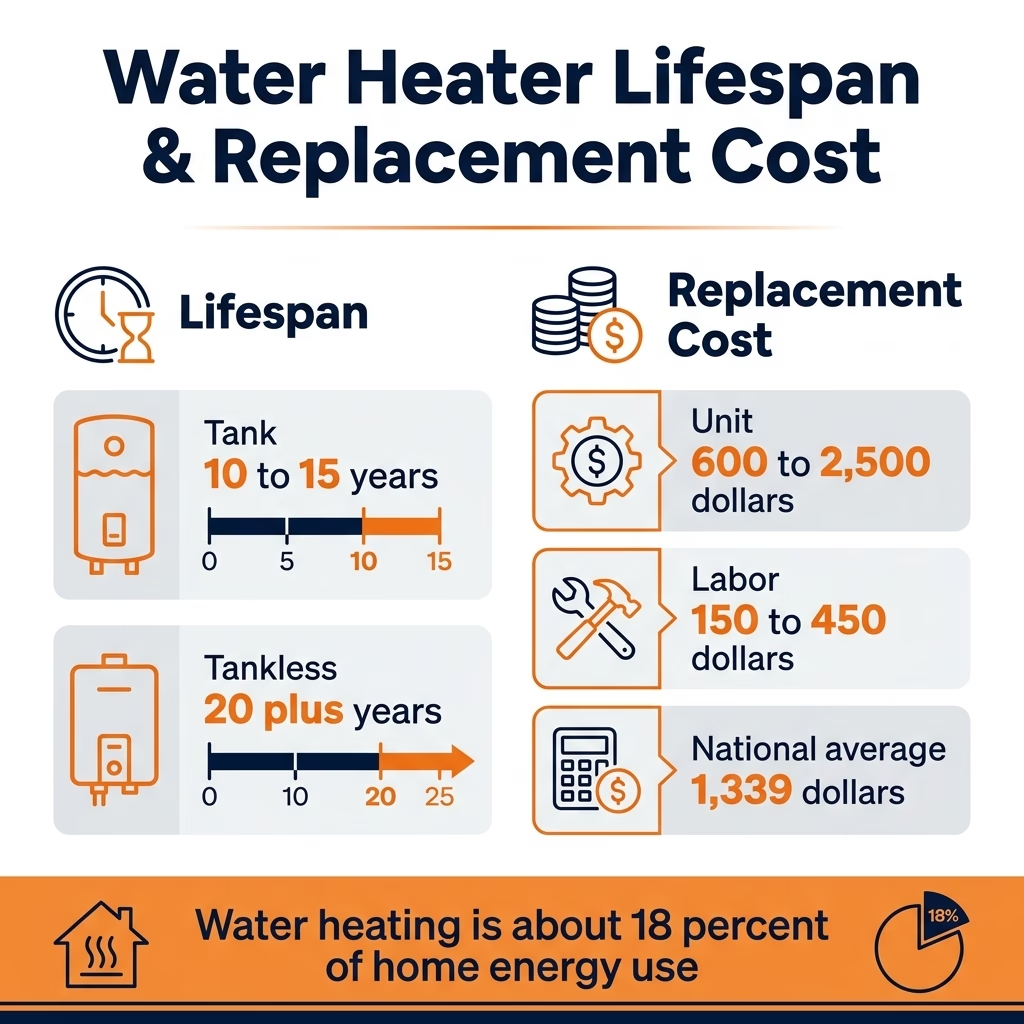
- A conventional storage water heater lasts 10–15 years; tankless models often exceed 20 years.
- Rusty hot water, a rumbling tank, and water pooling near the unit are the clearest signs of failure.
- Replacing before a total breakdown saves you from water damage and the emergency markup on a rushed job.
- Most NJ towns require a permit for water heater replacement; Ocean Township and neighboring municipalities in Monmouth County follow state plumbing code.
- A full water heater replacement averages $1,339 nationally, with parts running $600–$2,500 and labor $150–$450.
- Water heating accounts for about 18% of home energy use, making an aging, inefficient unit one of the more expensive appliances to ignore.
Your water heater has a lifespan. Most conventional tank units will serve you well for 10–15 years, then start sending signals. Here is how to read them before a cold shower or a flooded utility room makes the decision for you.
The Clock Starts the Day It's Installed
A conventional tank water heater lasts 10–15 years, according to the U.S. Department of Energy. Tankless models often run beyond 20 years with proper maintenance.
Finding your unit's age is simple. Check the label on the tank for the serial number. Most manufacturers encode the manufacture date in the first four characters. A unit that starts with "F23," for example, was typically made in the 6th month of 2023.
Ocean Township homes built in the 1980s and 1990s often still have their original water heaters, or ones installed during a flip or remodel a decade ago. If you're not sure how old yours is, our licensed plumbers can check the serial number and give you a straight answer.
Six Signs Your Water Heater Is Telling You Something
1. Rusty or Discolored Hot Water
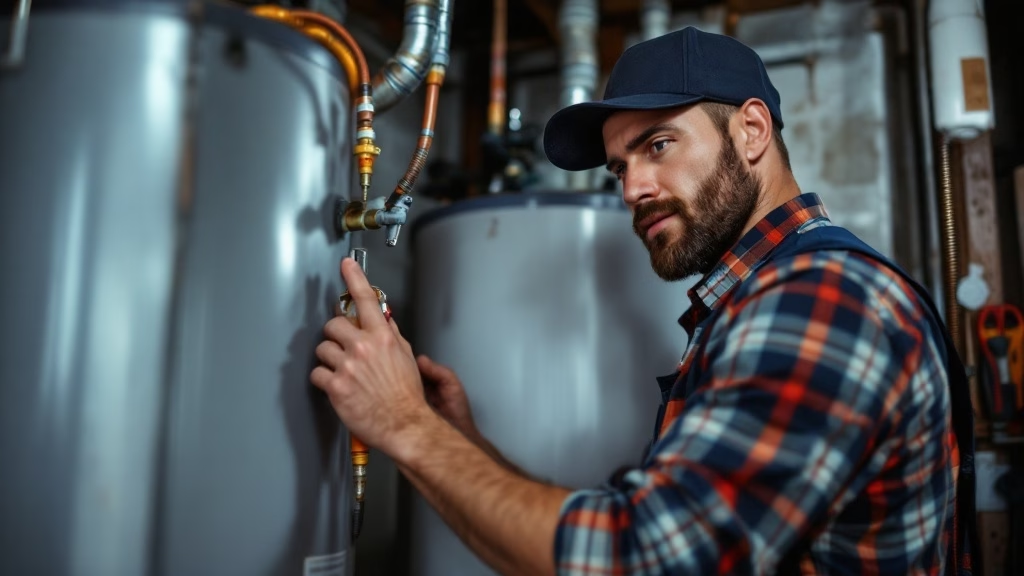
Rust-colored water from the hot tap usually means the tank lining is breaking down. Before calling anyone, run about two to three gallons through a white bucket. If the hot water runs clear after that, the discoloration may be from your pipes. If it stays orange or brown, the tank itself is corroding from the inside.
2. A Rumbling or Popping Sound
Sediment from Ocean Township's municipal water supply builds up at the bottom of the tank over time. When the burner fires, it heats through that layer of minerals first. The result is a rumbling, banging, or popping sound that gets louder as the unit ages.
You can sometimes extend a tank's life with a flush and sediment drain, something worth doing annually. By the time the noise is consistent, the sediment has usually hardened and a full flush won't fix it.
3. Water Pooling Around the Base
Standing water near the tank is never normal. As the metal tank heats and cools thousands of times over the years, small fractures develop. Those fractures expand under water pressure. A unit that's seeping at the base is close to a full leak.
Shut off the cold-water supply valve at the top of the tank and call for plumbing services the same day. A slow leak can become a flood fast.
4. Hot Water That Runs Out Faster Than It Used To
A 40-gallon tank should supply enough hot water for a family of three to four with consecutive showers. If yours is running cold after one, the heating element (electric) or burner assembly (gas) may be failing. Sediment buildup also reduces effective capacity by displacing the water volume the tank can actually heat.
This is worth diagnosing before replacing: sometimes a new element or thermostat is all you need.
5. The Pilot Light Keeps Going Out (Gas Units)
A pilot light that won't stay lit usually points to a failing thermocouple, the safety device that shuts off gas flow when the flame goes out. A thermocouple replacement is inexpensive and extends the unit's life if everything else is sound. But if the pilot problem is paired with other symptoms on this list, the repair cost may not be worth it.
6. The Unit Is Past 12 Years Old
Even a unit that seems to be working fine deserves a closer look past the 12-year mark. Efficiency drops as components wear. Anode rods, which prevent corrosion inside the tank, deplete over time. A unit running in borrowed time costs more to operate each month and gives you no warning when it finally fails.
What Replacement Actually Costs in NJ
Understanding where the money goes makes the decision easier.
| Cost Component | Typical Range |
|---|---|
| Water heater unit (tank, 40–50 gal) | $600–$2,500 |
| Labor (removal + installation) | $150–$450 |
| NJ permit (most towns require one) | $25–$300 |
| National average total | $1,339 |
Most towns in Monmouth County, including Ocean Township, require a permit for water heater replacement under the NJ Uniform Construction Code. A licensed plumber pulls that permit as part of the job. An unlicensed installer who skips the permit creates a liability problem for you at resale.
We've replaced water heaters in hundreds of homes across Neptune Township, Long Branch, and the surrounding shore communities since 2001. The homes near the coast tend to chew through anode rods faster because of the water's mineral content. Planning a replacement at 12–13 years, rather than waiting for failure, saves the emergency-rate markup and protects floors and drywall from a sudden leak.
Repair vs. Replace: The Honest Breakdown
Not every water heater problem calls for a full replacement. Here's a quick guide.
Repair makes sense when:
- The unit is under 8 years old
- Only one component has failed (thermocouple, element, pressure relief valve)
- The repair cost is less than half the replacement cost
Replace when:
- The unit is 10+ years old, and something breaks
- Multiple components are failing at once
- Hot water is rusty, or the tank is leaking
A useful rule of thumb: multiply the unit's age by the repair cost. If the number is higher than the cost of a new unit, replace it.
Tank vs. Tankless: Is the Upgrade Worth It?
Tankless water heaters heat water on demand and carry a lifespan that often exceeds 20 years. They cost more upfront, typically $800–$1,500 for the unit alone, but eliminate standby heat loss.
For a household that runs the dishwasher, laundry, and showers close together, a tankless unit may not keep up without a whole-home gas upgrade. Our HVAC and plumbing team can size the right system based on your home's actual demand.
Ready to know where your water heater stands? We Do It All Handyman & Construction Corp. offers free estimates for water heater inspection and replacement across Ocean Township and Monmouth County. Call (732) 333-7800 or visit our handyman services page to schedule a same-day visit from our licensed plumbing team.
Frequently Asked Questions
1. How do you know when a water heater needs to be replaced?
The clearest signs are rusty hot water, a rumbling sound from the tank, water pooling around the base, and a unit that's 10 or more years old. If two or more of these apply at the same time, replacement is usually the smarter financial move. A repair on an aging unit often delays the inevitable by only a year or two.
2. Is it worth fixing a 10-year-old water heater?
It depends on what broke. A single part, such as a thermocouple or heating element, may cost $150–$300 to replace and extend the unit's life by a few years. But if the tank itself is leaking or corroding, no repair addresses the root problem. The 10-year mark is generally where replacement becomes more cost-effective than ongoing repairs.
3. What is the average price to replace a 40-gallon water heater in NJ?
The national average for a full replacement runs about $1,339, including the unit, labor, and permit. In New Jersey, permits are required by state code, so factor in $25–$300 depending on your municipality. Ocean Township and most Monmouth County towns follow the NJ Uniform Construction Code for these jobs.
4. What are the first signs of a water heater going bad?
Most failing water heaters show at least one of these early signs: the pilot light won't stay lit, hot water runs out faster than usual, or you hear a faint popping from the tank during heating cycles. These early signals usually appear one to three years before a complete failure, giving you time to plan rather than react.